Apologies for the lack of writing. It's been a hot and intensely busy month with little time for reflecting on anything in life. The heat seems to sap the life from me. I eat and drink less, have little energy for others and would rather sit in a cold bath than do anything taxing. Even reading feels like too much effort, and it's a bad day indeed when reading a good book is taken from you.
Any energy I have has been spent getting used to my new job. Working 9-5 has taken some getting used to and I'm still very much grappling with it. People who know me best will testify that I'm not the most formal person in the world and office work goes against that. I'm in a smart shirt, trousers and dress shoes every day and have responsibilities, meetings and a desk. Very strange. I'm still at the stage of finding it all vaguely hilarious. People ask me to do things of relative importance to the running of this or that and I just wonder if they realise that they've asked someone with the mental age of 8 to do such a task. "Yes of course I can organise that data entry and email it to HR, but you do realise it will have to wait until I'm done perfecting my Skeletor impression?" That's really not important though. I'm there with a job to do and work to put my name to so I have to do it to the best of my abilities and if it's terrible then that's for them to decide. The bigger questions around career, what my work means and where I go from this point will decide itself.
Aside from work I've just been trying to keep sane in this rediculous heat. I tried sitting in my work clothes, a fan softly circulating warm air whilst I drank whisky in the hope some gorgeous creature in a 1920's dress would come in and begin a film noir plot but to no avail. I've been running more and exhausting myself in the process. Both of my achilles are inflames, my feet feel as if they are on fire and my knee is clicking. It seems to be a coordinated effort by my lower half to halt me running. It's the only explanation. I persist despite this rebellion and have been cutting my times nicely. Still hate running, dull as anything.
On that I'll leave you. I'm still trying to write and I'll get back to this when my life settles down a bit. Until then keep doing that rain dance and pray the sun buggers off for another year.
J
Saturday, 27 July 2013

Wednesday, 12 June 2013
E3 Verdicts
Over in the sun and pollution of LA the gaming industry have come together for E3, the biggest trade show of it's kind. This year was a special year with both Microsoft and Sony showing off new consoles ahead of launch later this year. That means new games, hardware and a move away from the quiet E3 that we've had lately. Let's see how the big boys got on in this crucial first public viewing of the next generation of gaming consoles.
Microsoft
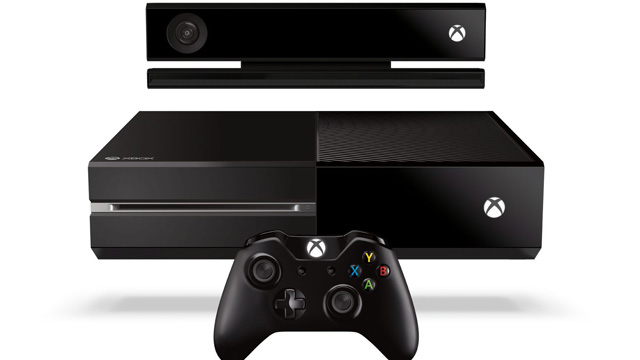
Microsoft should have come into this on a high, having announced their new console recently and with the Xbox 360 dominating the US and UK markets. However the unveiling of the Xbox One focused on the multimedia and TV aspects of the console which caused much anger in the vocal gaming community which took to Twitter to slam a console "not for them". Microsoft's claim that games would be the focus of E3 were dealt a blow when their aggressive form of DRM yet again ensured that the Xbox One made the headlines for all the wrong reasons. They had to hit a home run at their press conference and it looked good to start with. Metal Gear Solid 5 started us off and it looked nothing short of spectacular. It briefly looked like they would shut up the detractors with a string of great games. Sadly though the rest of the conference was hit and miss with highs like The Witcher 3 and Battlefield 4 being multiplatform and the exclusive titles like Ryse, Killer Instinct and Halo failing to register more than an eyebrow raise. The astonishing price tag of £430 felt like rubbing salt in the wounds. This was a chance for Microsoft to lay out their vision for gaming for the next ten years and it did nothing to inspire. Also having sound problems during big trailers is an amateurish thing to do, but kudos to the guy in the crowd who shouted "pew pew pew" during the dragon thing.
Sony
Oh boy. It's hard not to smile. Sony royally fucked up the PS3 after defining gaming for a long time with the PS1 and PS2 and allowed Microsoft to make huge gains in the western market. The unveiling of the PS4 went down very well however and seemed to indicate that Sony were learning for their mistakes with a console built for developers and gamers. After the car crash that was Microsoft's press conference all eyes were on Sony. For the most part they kept up with Microsoft's games offering by relying heavily on third party titles and peppering it with the odd first party game. So the likes of Infamous, Killzone and Driveclub were joined by Destiny, Watch Dogs and Assassins Creed 3. Where they turned onto a new road was the focus on independent games like Transistor, Octodad and Don't Starve along with the with announcement of a self publishing intiative further proving that they are courting developers in a very real way. After all, they had to. They then directly jabbed at Microsoft announcing no DRM, that trade ins are fine and that the console doesn't have any requirements for an internet connection. They followed that with a staggering price point of £350, undercutting the Xbox One in a massive way. It was a conference with more purpose, a console with all the media stuff Microsoft has but with more focus on games and a lower price point. The DRM stuff is the icing on the cake that has brought the internet masses over to Sony. Whether that translates to the real world remains to be seen.
Nintendo
Nintendo weren't there but did a video instead and largely disappointed. The WiiU is currently on fire and hurtling towards the ground, the 3DS has managed to fly but isn't soaring and I've run out of plane related metaphors. They needed something to start selling consoles and keep it going whilst Sony and Microsoft took center stage. In terms of big games they kept looking at Zelda: Wind Waker HD and whilst it's a fantastic game I think we're at the stage where HD remakes aren't really acceptable. Pikmin is still being discussed having missed the launch window of the console and the makers of Metroid Prime are being given Donkey Kong to work on. You'd maybe want the makers of such a seminal title as Metroid Prime to be given free reign on their own ip but equally you wonder how much of that talent is still there so let's see what Donkey Kong is like. Mario Kart is Mario Kart and is showing it's age, and then Smash Bros is rapidly becoming a niche title again. That's the key problem, all their games felt like niche titles. Even Bayonetta 2 had the tinge of a game a handful of people wanted. Traditionally Nintendo led the industry and even if they didn't sell well you'd see the likes of Sony and Microsoft taking the lessons Nintendo gave out and running with them. This year Nintendo is closer to Kentia Hall, the old hall where the weird and small were shown at E3's of yesteryear. I wonder how much longer they can go on like this before their investors and shareholders start to lose patience.
So there you have it. Nintendo continued a slide into irrelevance and Sony made a huge attack on the US and UK markets they lost last generation. Microsoft looked complacent and that price point serves to highlight their arrogance. I still think there are a generation of kids who are as devoted to Xbox as a brand though and they'll stick with them, so don't expect it to be a failure. It just makes the launch of these consoles fascinating for people like me.
Microsoft
Microsoft should have come into this on a high, having announced their new console recently and with the Xbox 360 dominating the US and UK markets. However the unveiling of the Xbox One focused on the multimedia and TV aspects of the console which caused much anger in the vocal gaming community which took to Twitter to slam a console "not for them". Microsoft's claim that games would be the focus of E3 were dealt a blow when their aggressive form of DRM yet again ensured that the Xbox One made the headlines for all the wrong reasons. They had to hit a home run at their press conference and it looked good to start with. Metal Gear Solid 5 started us off and it looked nothing short of spectacular. It briefly looked like they would shut up the detractors with a string of great games. Sadly though the rest of the conference was hit and miss with highs like The Witcher 3 and Battlefield 4 being multiplatform and the exclusive titles like Ryse, Killer Instinct and Halo failing to register more than an eyebrow raise. The astonishing price tag of £430 felt like rubbing salt in the wounds. This was a chance for Microsoft to lay out their vision for gaming for the next ten years and it did nothing to inspire. Also having sound problems during big trailers is an amateurish thing to do, but kudos to the guy in the crowd who shouted "pew pew pew" during the dragon thing.
Sony
Oh boy. It's hard not to smile. Sony royally fucked up the PS3 after defining gaming for a long time with the PS1 and PS2 and allowed Microsoft to make huge gains in the western market. The unveiling of the PS4 went down very well however and seemed to indicate that Sony were learning for their mistakes with a console built for developers and gamers. After the car crash that was Microsoft's press conference all eyes were on Sony. For the most part they kept up with Microsoft's games offering by relying heavily on third party titles and peppering it with the odd first party game. So the likes of Infamous, Killzone and Driveclub were joined by Destiny, Watch Dogs and Assassins Creed 3. Where they turned onto a new road was the focus on independent games like Transistor, Octodad and Don't Starve along with the with announcement of a self publishing intiative further proving that they are courting developers in a very real way. After all, they had to. They then directly jabbed at Microsoft announcing no DRM, that trade ins are fine and that the console doesn't have any requirements for an internet connection. They followed that with a staggering price point of £350, undercutting the Xbox One in a massive way. It was a conference with more purpose, a console with all the media stuff Microsoft has but with more focus on games and a lower price point. The DRM stuff is the icing on the cake that has brought the internet masses over to Sony. Whether that translates to the real world remains to be seen.
Nintendo
Nintendo weren't there but did a video instead and largely disappointed. The WiiU is currently on fire and hurtling towards the ground, the 3DS has managed to fly but isn't soaring and I've run out of plane related metaphors. They needed something to start selling consoles and keep it going whilst Sony and Microsoft took center stage. In terms of big games they kept looking at Zelda: Wind Waker HD and whilst it's a fantastic game I think we're at the stage where HD remakes aren't really acceptable. Pikmin is still being discussed having missed the launch window of the console and the makers of Metroid Prime are being given Donkey Kong to work on. You'd maybe want the makers of such a seminal title as Metroid Prime to be given free reign on their own ip but equally you wonder how much of that talent is still there so let's see what Donkey Kong is like. Mario Kart is Mario Kart and is showing it's age, and then Smash Bros is rapidly becoming a niche title again. That's the key problem, all their games felt like niche titles. Even Bayonetta 2 had the tinge of a game a handful of people wanted. Traditionally Nintendo led the industry and even if they didn't sell well you'd see the likes of Sony and Microsoft taking the lessons Nintendo gave out and running with them. This year Nintendo is closer to Kentia Hall, the old hall where the weird and small were shown at E3's of yesteryear. I wonder how much longer they can go on like this before their investors and shareholders start to lose patience.
So there you have it. Nintendo continued a slide into irrelevance and Sony made a huge attack on the US and UK markets they lost last generation. Microsoft looked complacent and that price point serves to highlight their arrogance. I still think there are a generation of kids who are as devoted to Xbox as a brand though and they'll stick with them, so don't expect it to be a failure. It just makes the launch of these consoles fascinating for people like me.
Friday, 7 June 2013
Xbox One, DRM and The Future of Ownership
My little corner of the internet is royally pissed off at the moment thanks to Microsoft. They are readying to launch their new games console, the Xbox One. Along with the usual mod cons the console will have new digital rights management (DRM) which will control how you buy games, sell games and play games. The same legal controls which exist on iTunes or Amazon with music and films. DRM is a bit of a rude word in certain video game circles, it carries connotations of losing consumer power and losing a part of the freedom which gaming held for so long.
The Microsoft solution is admittedly blunt.
There are other things which allow renting or lending games, but that's so vague that it's clear Microsoft have no clue what is happening. And of course all of these can changed or discontinued at any time at Microsoft's behest. Gamers are furious. Articles stating the end of ownership, Microsoft enforcing cruel business culture on the industry and some even go as far as to say the death of the industry as we know it.
There are several issues with this. Firstly we are seeing the industry move with the tide, Microsoft specifically are not doing this with no push from wider issue of digital ownership and rights outside of gaming. Indeed there was DRM in the Xbox 360, the WiiU has it's own solutions, the 3DS has as well. Microsoft are taking a more strict stance but it's part of a general movement. In fact the darling of PC gaming is a service called Steam, which sells games. They have some of the strictest DRM around, carry many of the same provisions the Xbox One will have but gain favour by offering more value in Steam sales and a more robust package. Is this an issue of the policies themselves if gamers can be bought for 75% off a two year old game? Steam's success might suggest so, especially in comparison to Microsoft's awful value in their digital store.

You then have the selling on of games. Again which the PC market has had for years now. If you buy a PC game in a store you may well get a disc but in reality you are buying a license key, once used that game cannot be used by anyone but you. Forgive me but I cannot see the difference between the Microsoft example and this. If anything them giving publishers the option to let you unlock games and sell them on or give them away is remarkable. Will publishers do it? Probably not, I certainly wouldn't. Publishers have long loathed the practice of second hand games because they don't get a cut of any sales, this will get them back into that market or kill it stone dead. It raises valid issues around what a second hand game truly is and what you are selling and why it depreciates in value and why stores want to sell them on for an absurd profit. I sell a car on for less because it's older and more disaster prone, why do I sell a game for less than market value? The question here should be deeper than "I should sell my games" but more what am I selling and why. Also bares mentioning, you can't sell your music once downloaded on iTunes, is that a problem? If not then why?
I have no idea if I will buy an Xbox One just yet. If I do I won't be hugely affected by this. I don't sell my games, I have constant internet and I feel I'm in the vast majority. I'm also very confused by what people expected from this generation of consoles. Steam has been a triumph and of course the consoles would look implement their own system of DRM on their consoles. Pre-owned sales have been the battleground between publishers and stores for years now and of course they would take a swipe at it, if gamers cared about their rights they would have taken a swipe at the ubsurd profit made by game stores who buy for a fraction of what they sell. And like it or not but piracy is a buzzword in the industry and 24 hour internet checks will be a big step in stopping that, whether it's hugely prevalent or not. The positive of these things is it's a big step forward in a solely digital age where you download all your games, music and video. Because big companies will not move into that age until they have a degree of control over it. The negative is that it ushers in the idea of games as a service and people don't like that idea of Microsoft controlling their hobby. This is the generation who grew up swapping SNES carts and buying dodgy Gameboy games, the idea of a corporate controlled games console is abhorrent.
The final question I have to ask is this. If you sit and rage at this but have a Steam library filled with games then ask yourself really what the core difference is. Put aside the store and the bargains and the service and ask what you really own there and why that's ok whilst Microsoft is not. Digital ownership is changing and people being seduced by nice services and low prices are undermining the entire debate as it stands.
The Microsoft solution is admittedly blunt.
- For your console to play games you have to connect to the internet once every 24 hours.
- You do not own games but rather license them (wasn't this always the case strictly?)
- Publishers decide if you can "trade in" game, to a Microsoft approved retailer.
- Publishers decide if you can give games to people on your friends list for over 30 days.
- Your account lets you play games on any console (like now).
- Anyone can play any game installed on your console (like now).
- All games must be installed (the disc you buy is just to install it, like PC games)
There are other things which allow renting or lending games, but that's so vague that it's clear Microsoft have no clue what is happening. And of course all of these can changed or discontinued at any time at Microsoft's behest. Gamers are furious. Articles stating the end of ownership, Microsoft enforcing cruel business culture on the industry and some even go as far as to say the death of the industry as we know it.
There are several issues with this. Firstly we are seeing the industry move with the tide, Microsoft specifically are not doing this with no push from wider issue of digital ownership and rights outside of gaming. Indeed there was DRM in the Xbox 360, the WiiU has it's own solutions, the 3DS has as well. Microsoft are taking a more strict stance but it's part of a general movement. In fact the darling of PC gaming is a service called Steam, which sells games. They have some of the strictest DRM around, carry many of the same provisions the Xbox One will have but gain favour by offering more value in Steam sales and a more robust package. Is this an issue of the policies themselves if gamers can be bought for 75% off a two year old game? Steam's success might suggest so, especially in comparison to Microsoft's awful value in their digital store.
You then have the selling on of games. Again which the PC market has had for years now. If you buy a PC game in a store you may well get a disc but in reality you are buying a license key, once used that game cannot be used by anyone but you. Forgive me but I cannot see the difference between the Microsoft example and this. If anything them giving publishers the option to let you unlock games and sell them on or give them away is remarkable. Will publishers do it? Probably not, I certainly wouldn't. Publishers have long loathed the practice of second hand games because they don't get a cut of any sales, this will get them back into that market or kill it stone dead. It raises valid issues around what a second hand game truly is and what you are selling and why it depreciates in value and why stores want to sell them on for an absurd profit. I sell a car on for less because it's older and more disaster prone, why do I sell a game for less than market value? The question here should be deeper than "I should sell my games" but more what am I selling and why. Also bares mentioning, you can't sell your music once downloaded on iTunes, is that a problem? If not then why?
I have no idea if I will buy an Xbox One just yet. If I do I won't be hugely affected by this. I don't sell my games, I have constant internet and I feel I'm in the vast majority. I'm also very confused by what people expected from this generation of consoles. Steam has been a triumph and of course the consoles would look implement their own system of DRM on their consoles. Pre-owned sales have been the battleground between publishers and stores for years now and of course they would take a swipe at it, if gamers cared about their rights they would have taken a swipe at the ubsurd profit made by game stores who buy for a fraction of what they sell. And like it or not but piracy is a buzzword in the industry and 24 hour internet checks will be a big step in stopping that, whether it's hugely prevalent or not. The positive of these things is it's a big step forward in a solely digital age where you download all your games, music and video. Because big companies will not move into that age until they have a degree of control over it. The negative is that it ushers in the idea of games as a service and people don't like that idea of Microsoft controlling their hobby. This is the generation who grew up swapping SNES carts and buying dodgy Gameboy games, the idea of a corporate controlled games console is abhorrent.
The final question I have to ask is this. If you sit and rage at this but have a Steam library filled with games then ask yourself really what the core difference is. Put aside the store and the bargains and the service and ask what you really own there and why that's ok whilst Microsoft is not. Digital ownership is changing and people being seduced by nice services and low prices are undermining the entire debate as it stands.
Thursday, 30 May 2013
Event Entertainment
Two things happened lately to make bring me back to a keyboard. First up the Curiosity game/app/experiment ended. For those that don't know it was an iPhone app where you tapped away at the cube coverings of a very large cube. Once all the little cubes were gone another large cube appeared underneath. The idea was that you tapped away layer after layer of this cube to find out what was inside. The trick was that it collaborative and the whole world tapped at the same cube. People wrote messages out of removed cubes, drew dicks and competed to be the one to reveal the grand secret.
The second was the eagerly awaited return of Arrested Development. As far as cult TV shows go Arrested Development is highly regarded but seemed intent on being different enough to get itself cancelled in it's original run. You don't produce very intelligent comedy laced with jokes about politics, incest and Iraq without knowing that you aren't going to be a big hit in the States. DVD sales and it's persistent popularity on the internet brought it back via Netflix who have dumped a whole fourth series on at once leaving viewers to choose whether to binge or reign back. Most chose binge.
What's interesting about both of these things is they clearly prize community entertainment. Curiosity's roots as entertainment is perhaps dubious but it set itself up as a game. You entered input with the hope of winning the prize, the secret in the center of the cube. But the real joy of Curiosity was the community aspect of it. Finding people carving out drawings and messages into the cube, going to Twitter and talking about what you've seen, looking at ideas of how to play on that blank canvas. And then you had as a layer was about to fall your Twitter feed would light up with people alerting others to it. Suddenly no matter where you were you could load up the app and participate in this event. What would the next layer look like? It didn't matter that there were websites documenting this stuff, you didn't want to miss the group excitement of finding out together.
Arrested Development approached it in a different way. Netflix hyped the hell out of the return and everyone got swept up in it. Launch parties, cosplay, banana stands in the US all marketed it but it was the inevitable post mortem which brought people together. Because most watched the episodes all at once they took to the internet in the days afterwards and participated in an epic debate on the series as a whole and it's quality. Half of the enjoyment of the series was viewing, the rest was being crowded around the modern water cooler and being part of the groundswell movement. Whether it's writing blogs or sitting on Reddit and trawling through the memes, it's an inherent part of the experience.
My problem is that I missed both of these. I didn't start on Arrested Development until a few days after it launched, a lifetime on the internet and the debate is now largely done. The window within which to consume media and then be part of the discourse has shrunk to the point where unless you are a day one adopter then you miss out on a large part of modern entertainment consumption. Curiosity is an even worse case when I drifted away and now that experience is gone forever. I'll never be able to capture that essence again.
Which leads me to wonder where the solo experience is headed. Xbox One debuted it's view of the future of TV, an ever connected place where you can tweet during shows and be polled to ask your view. If you watch a repeat will that experience be there? Doubt it. Games are headed the same way. Fez is a puzzle game which had a huge community effort to solve the harder puzzles of the game. The majority of the fun was being part of that group effort. If I bought it now though I'd find empty forums and completed walkthroughs.
And you miss so much if you just plug into this idea of event entertainment. The joy of finding media for yourself rather than just heading to the next thing because there's a hashtag for it. Approaching things because you are at a time in your life when you need it, sharing things you love with friends instead of all heading to where the BBC told you to be. Or even coming to your own decision on a show/game because it's very easy to get swept away in mass condemnation or praise. The idea that modern entertainment has to connect you with others detracts from the very notion of entertainment being able to have a personal bond with the viewer. I fear for a future where rather than write for the one viewer we have pieces which write because they know it will go viral and make a fortune. Fear is the wrong word, it implies I don't know if it'll come. It's coming, it's already here in some respects and I think it's taking away our ability to choose what to watch. After all, who Tweets about a four year old show?
The second was the eagerly awaited return of Arrested Development. As far as cult TV shows go Arrested Development is highly regarded but seemed intent on being different enough to get itself cancelled in it's original run. You don't produce very intelligent comedy laced with jokes about politics, incest and Iraq without knowing that you aren't going to be a big hit in the States. DVD sales and it's persistent popularity on the internet brought it back via Netflix who have dumped a whole fourth series on at once leaving viewers to choose whether to binge or reign back. Most chose binge.
What's interesting about both of these things is they clearly prize community entertainment. Curiosity's roots as entertainment is perhaps dubious but it set itself up as a game. You entered input with the hope of winning the prize, the secret in the center of the cube. But the real joy of Curiosity was the community aspect of it. Finding people carving out drawings and messages into the cube, going to Twitter and talking about what you've seen, looking at ideas of how to play on that blank canvas. And then you had as a layer was about to fall your Twitter feed would light up with people alerting others to it. Suddenly no matter where you were you could load up the app and participate in this event. What would the next layer look like? It didn't matter that there were websites documenting this stuff, you didn't want to miss the group excitement of finding out together.
Arrested Development approached it in a different way. Netflix hyped the hell out of the return and everyone got swept up in it. Launch parties, cosplay, banana stands in the US all marketed it but it was the inevitable post mortem which brought people together. Because most watched the episodes all at once they took to the internet in the days afterwards and participated in an epic debate on the series as a whole and it's quality. Half of the enjoyment of the series was viewing, the rest was being crowded around the modern water cooler and being part of the groundswell movement. Whether it's writing blogs or sitting on Reddit and trawling through the memes, it's an inherent part of the experience.
My problem is that I missed both of these. I didn't start on Arrested Development until a few days after it launched, a lifetime on the internet and the debate is now largely done. The window within which to consume media and then be part of the discourse has shrunk to the point where unless you are a day one adopter then you miss out on a large part of modern entertainment consumption. Curiosity is an even worse case when I drifted away and now that experience is gone forever. I'll never be able to capture that essence again.
Which leads me to wonder where the solo experience is headed. Xbox One debuted it's view of the future of TV, an ever connected place where you can tweet during shows and be polled to ask your view. If you watch a repeat will that experience be there? Doubt it. Games are headed the same way. Fez is a puzzle game which had a huge community effort to solve the harder puzzles of the game. The majority of the fun was being part of that group effort. If I bought it now though I'd find empty forums and completed walkthroughs.
And you miss so much if you just plug into this idea of event entertainment. The joy of finding media for yourself rather than just heading to the next thing because there's a hashtag for it. Approaching things because you are at a time in your life when you need it, sharing things you love with friends instead of all heading to where the BBC told you to be. Or even coming to your own decision on a show/game because it's very easy to get swept away in mass condemnation or praise. The idea that modern entertainment has to connect you with others detracts from the very notion of entertainment being able to have a personal bond with the viewer. I fear for a future where rather than write for the one viewer we have pieces which write because they know it will go viral and make a fortune. Fear is the wrong word, it implies I don't know if it'll come. It's coming, it's already here in some respects and I think it's taking away our ability to choose what to watch. After all, who Tweets about a four year old show?
Sunday, 5 May 2013
Games I Think Explain Why I Like Gaming.
I love video games. That's a statement
that brings out a variety of reactions. Some people share the passion
and are happy. Some don't share the passion but still respect it and
smile politely. Then you get people who are utterly baffled by it.
They tend to think I'm either an overgrown child (maybe valid) or an
idiot throwing his life away. I wholeheartedly reject the latter.
Video games output swings from mindless blockbusters to the most
pretentious artistic endeavours you can imagine. In this blog what I
hope to do is discuss a few of the games I've found interesting which
aren't hugely mainstream in the hope even one person who thinks I'm
an idiot for playing games can start to understand why people play
them and the kinds of experiences you can get in 2013. We've come a
long way from shooting ducks and playing Mario on a Nintendo console
on Christmas morning.

Dear Esther is not really a game at all
in that there is no playing it. You control walking and looking
around with no other real interaction. The focus is on the narration
which discusses the story of the island you are set on and of a man
who has written letters to “Esther” and whose life involved the
Hebridean island the game is set on. The last few years has seen a
rise in art games thanks to it being easier to distribute games to
consumers electronically and Dear Esther is one of the better
examples. It looks gorgeous and has terrific sound design. The
narrator is particularly superb and manages never to be irritating or
overly expressive. It's cheap and a short ride but shows how games
can give this experience in an evening which leaves you genuinely
lost in thought. Dear Esther is closer to literature than a film,
given games chase to be more cinematic it's nice to know some games
chase the lure of a good book.

Have you ever wanted to play a fever
dream from the Czech Republic? Enter Botanicula! Here you play as
five creatures who set out to save the home tree from some evil
spiders. This is a point and click adventure, you move from screen to
screen clicking on things to effect the environment and solve
puzzles. The puzzles are rarely taxing and this is easily a game you
could play with anyone from children to your partner with little
worry of everyone getting frustrated and giving in. The game has a
charm which is utterly magical and brings a charm to this Pixar
hating face. The visuals are vibrant and the sound is brilliantly
bizarre thanks to the and DVA who do the music and also all the sound
effects often with silly noises and odd instruments. The effect is
charming and often hilarious. The humour of the game is the star
though and the scrapes the characters get into have you giggling away
whilst bringing you closer to their plight. You could easily call
this a children's comedy, and like all good children's entertainment
it appeals to adults as well.

This is easy to sell. They create
animated recreations of the universe and you can muck about with the
attributes of the celestial bodies to see the effects. Make Earth
eighteen times larger? Send a Jupiter sized asteroid into Mars? Make
the Sun smaller and watch the orbits of the planets fly out of
control?Just watch how our solar system works? Easily done and with a gratifying level of statistics behind
it. Educational software is largely garbage but Universe Sandbox just
puts the tools in your hand and let's it raise interest rather than
actually try to teach you. It's the ultimate way to waste ten minutes
and a very well made thing to have sitting on your PC. Also did I
mention you can make huge asteroids smash planets out of orbit and
into other planets?

So this isn't strictly out yet but the
still in progress version you can download is still well worth a
look. You play an Eastern European style (it's all fictitious
countries) border crossing official in the early 1980's who have
recently opened up and allowed people to cross. Your job is to follow
the bureaucratic rules set by the government and to ensure those who
are allowed entry have the right papers. You use the interface to
identify any problems with the documents and if you miss anything you
are docked pay. Your pay is needed to keep your family in food and
medicine whilst paying off rent. The look and sound of the game is
very evocative of the setting but the genius is in the story. The
snippets you receive from those who pass imply large political
changes in the area and soon enough the danger of the fluctuating
politics leads to more complicated requirements to enter. This takes
you longer to check and is a big deal seeing as you get paid per
person processed. It also will have mini stories which give you a
moral choice. Someone comes in and passes you a note saying a certain
name has kidnapped her and is planning to sell her into a human
trafficking ring. The certain name appears next but his papers are in
order. Do you let him in or send him back knowing you will be docked
pay your family badly needs. The game is still in development but
early indications is that it could discuss some interesting themes
over authoritarian societies and the position of people working
within them. The manner in which it could discuss this whilst asking
morality questions of the gamer personally is fascinating.
I'll leave that there and I urge you to
try one. Even stick it into YouTube and have a look. Games have
started to deliver a broad array of experiences and if I can get one
person trying a game they never would have tried before then I'm
happy. I'll go back to non-gaming chat next blog. Until then stay
safe.
"That's the second biggest monkey head I've ever seen" Guybrush Threepwood
Tuesday, 23 April 2013
Gibson Street Gala - Cowardice Leading Culture
 |
| Gibson Street - Minus Bigotry |
Gibson Street hosts the Gibson Street Gala, which is a set of stalls and events designed to celebrate community and culture in the area. Part of the wider West End Festival it brightens up the area and offers family friendly fun. The Founders Trail participated in the West End Festival to popular acclaim, promoting it's own aims but also raising money for Erskine and Yorkhill. It then was accepted to the Gibson Street event last year and again was highly successful. However this year the stall was refused a place at the Gibson Street Gala amidst claims of controversy and how it's aligned with a bigoted organisation. Apparently the complaints consisted of two phonecalls and two emails. They have since given interviews and spoken of how they refused the Founders Trail simply to avoid controversy despite the fact that they agreed they were a good group, with fine aims and that they were a success the previous year. This disgusts me.
 |
| Generic West End Shot - Poverty Gap Not Pictured |
You can think what you want about Rangers as a club however the fact remains that the Founders Trail is a historic organisation that does it's job with no hint of malice, hatred, bigotry or anger. The tour is light hearted, family friendly and open to all. It has a place at events such as the Gibson Street Gala. The discussion and preservation of history in Glasgow is central to any cultural event and indeed central to the city as a whole going forward. You only have to look at the city centre and the bland, homogenised planning to see what happens when you don't aim to keep history at the centre of city growth both culturally and architecturally. The Founders Trail has done nothing wrong except be about football and be about Rangers. Those who complained should have been ignored or shouted down.
Yet they weren't. And the fear of controversy drove the organisers to refuse the application. The most important characteristic of a cultural leader is bravery. They must strive to show what is important regardless of pressure. You will always have people seeking to shape culture and history for their own aims but the cultural leader rises above that to show what is needed. To refuse the Founders Trail is to deny that history, deny the links between Rangers and the west end and even deny the links between football and the west end. If it attracted controversy then surely the debate it worth having and will add to the area through intelligent discourse? The organisers agreed the aim was admirable and that the group did well at last years event yet still showed little appetite to fight for what they believed in. Yet they would try to lead culture in our city and convince you that they show the best of local community at their event.
What a sad city we have ahead of us if cultural leaders bow to pressure so readily. If every controversial piece of cinema, art and music is ignored for fear of what people may say. A city more dedicated to consumerism than culture where we will cheer the opening of a new shopping mall rather than promote anything that dares to speak to what we once were or what we may become. The west end is the cultural centre of Glasgow filled with writers, artists, students and academics. On this evidence I fear it's a hollow centre.
Tuesday, 9 April 2013
George Square and Maggie Thatcher

Yesterday various news outlets reported
that there were two hundred or so people on George Square having an
impromptu celebration following the not death of Maggie Thatcher.
People blew up balloons, did conga lines, held up banners, sang songs
and reveled in the shared taboo of it all. You celebrated the death
of a human being, aren't you terribly edgy. The fact that I called
her Maggie shows what I think of her. Mrs Thatcher and Baroness
Thatcher implies a respect I don't want to give her. Her education
and economic policies decimated the part of Britain I was born into.
She showed no concern to those she thrust into poverty and she
abandoned a section of the population. The latter is a sin for any
politician.
In my younger years (and I'm hardly a
elder figure) I leaned closely to communism. I was studying the
history of Russia and I believed there was something of worth there.
I steered clear of the young bearded men and women on campus who
would call each other comrade and I certainly didn't sport t-shirts
with Stalin on them. I saw the follies of the system and the horrors
it produced but capitalism certainly isn't squeaky clean. If
capitalism could move past it's problems and reform why not a
socialist society founded on the principal that all should strive to
be equal? Such is the naivity of youth. I gradually grew more
moderate before eventually settling on broad socialist principals.
That's not to say I don't have my right wing moments but on the whole
I tend to the left. Despite this I've never entered into any of the
socialist groups or joined a socialist protest.

Maggie Thatcher couldn't kill socialism
in Glasgow. It's too engrained in the city. We are after all the city
which had tanks in the streets to fight a feared uprising of the
people. She did something much more destructive though. She became
the icon which socialists defined themselves against. You weren't a
socialist if you didn't despise that woman. They demonstrated against
her rather in their own desire. It was genius from Thatcher, whether
by design or accident. When she left socialists in Scotland had
little to define themselves. The unions were long gone and all that
was left were sporadic groups and the shambles that was the Labour
party. They were so used to acting in reaction to Maggie that growth
was no longer possible, independent thought neutered by the departure
of their muse.
Never was this more apparent than on
Monday. Who were the public figures of the socialist response to
Thatcher's death? Frankie Boyle cracking jokes and George Galloway
stomping his feet for attention. The b-list best of Glasgow were out
in force chuckling and smiling alongside those political kids so
brave that they hide their face behind scarves. Was the public
demonstration a call for change? A show that her time was over and
ours was here? No. It was a shrieking and childish sign that
socialism in Scotland is as stuck in the 1980's as the Conservative
party is. It was filled with those too young to have lived in the era
yet who have been handed down the doctrine that this is how we
behave. Those and people now stealing it for their own political
agendas. I cringed when I saw the pictures.
But what can I expect.
That is what socialism is now in this country. We no longer display
in the parliament because it's so ill-formed and petty that the only
place where it belongs is in displays like that. Thatcher defined an
era and her enemies defined themselves by her. Her death is a
beginning of the end for socialism in Scotland. Because amidst all
the singing and dancing few in George Square would have admitted the
obvious. She won. Socialism is reduced to celebrating the death of a
senile old woman.
Looking in and I wonder if I can call
myself a socialist any more. I used to believe it stood for
something. It meant I saw people around me and that I believed
society to be important enough that the state should take care of it.
I believed it stood for caring for those who need cared for, speaking
for those without a voice and representing all regardless of gender,
colour or creed. Perhaps I'm just as stuck in the 1980's as the rest
of the movement if I believed that. Because Monday was a brutal
display of where we truly are. If being a socialist means standing
along side the kind of people who were in George Square then I no
longer consider myself to be one. I hold the same principals, the
same beliefs and the same views as ever but I stand apart. My only
solace right now is that such small minded people will never show the
ambition or the grand thinking required to actually shape this
country in their image. They will be never look outside of their
comfort zone, created in the 1980's by M.Thatcher.
J
"Let no one weep for me, or celebrate my funeral with mourning; for I still live, as I pass to and fro through the mouths of men." Quintus Ennius
Subscribe to:
Comments (Atom)