The Microsoft solution is admittedly blunt.
- For your console to play games you have to connect to the internet once every 24 hours.
- You do not own games but rather license them (wasn't this always the case strictly?)
- Publishers decide if you can "trade in" game, to a Microsoft approved retailer.
- Publishers decide if you can give games to people on your friends list for over 30 days.
- Your account lets you play games on any console (like now).
- Anyone can play any game installed on your console (like now).
- All games must be installed (the disc you buy is just to install it, like PC games)
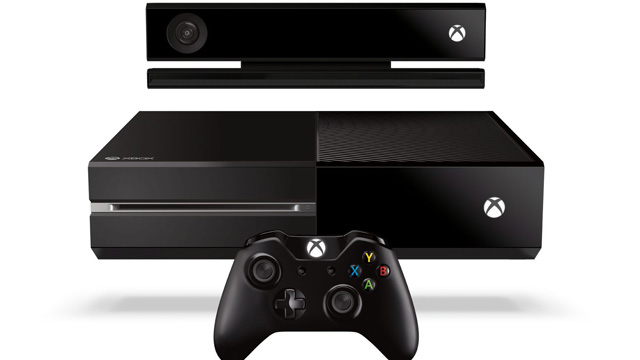
There are other things which allow renting or lending games, but that's so vague that it's clear Microsoft have no clue what is happening. And of course all of these can changed or discontinued at any time at Microsoft's behest. Gamers are furious. Articles stating the end of ownership, Microsoft enforcing cruel business culture on the industry and some even go as far as to say the death of the industry as we know it.
There are several issues with this. Firstly we are seeing the industry move with the tide, Microsoft specifically are not doing this with no push from wider issue of digital ownership and rights outside of gaming. Indeed there was DRM in the Xbox 360, the WiiU has it's own solutions, the 3DS has as well. Microsoft are taking a more strict stance but it's part of a general movement. In fact the darling of PC gaming is a service called Steam, which sells games. They have some of the strictest DRM around, carry many of the same provisions the Xbox One will have but gain favour by offering more value in Steam sales and a more robust package. Is this an issue of the policies themselves if gamers can be bought for 75% off a two year old game? Steam's success might suggest so, especially in comparison to Microsoft's awful value in their digital store.
You then have the selling on of games. Again which the PC market has had for years now. If you buy a PC game in a store you may well get a disc but in reality you are buying a license key, once used that game cannot be used by anyone but you. Forgive me but I cannot see the difference between the Microsoft example and this. If anything them giving publishers the option to let you unlock games and sell them on or give them away is remarkable. Will publishers do it? Probably not, I certainly wouldn't. Publishers have long loathed the practice of second hand games because they don't get a cut of any sales, this will get them back into that market or kill it stone dead. It raises valid issues around what a second hand game truly is and what you are selling and why it depreciates in value and why stores want to sell them on for an absurd profit. I sell a car on for less because it's older and more disaster prone, why do I sell a game for less than market value? The question here should be deeper than "I should sell my games" but more what am I selling and why. Also bares mentioning, you can't sell your music once downloaded on iTunes, is that a problem? If not then why?
I have no idea if I will buy an Xbox One just yet. If I do I won't be hugely affected by this. I don't sell my games, I have constant internet and I feel I'm in the vast majority. I'm also very confused by what people expected from this generation of consoles. Steam has been a triumph and of course the consoles would look implement their own system of DRM on their consoles. Pre-owned sales have been the battleground between publishers and stores for years now and of course they would take a swipe at it, if gamers cared about their rights they would have taken a swipe at the ubsurd profit made by game stores who buy for a fraction of what they sell. And like it or not but piracy is a buzzword in the industry and 24 hour internet checks will be a big step in stopping that, whether it's hugely prevalent or not. The positive of these things is it's a big step forward in a solely digital age where you download all your games, music and video. Because big companies will not move into that age until they have a degree of control over it. The negative is that it ushers in the idea of games as a service and people don't like that idea of Microsoft controlling their hobby. This is the generation who grew up swapping SNES carts and buying dodgy Gameboy games, the idea of a corporate controlled games console is abhorrent.
The final question I have to ask is this. If you sit and rage at this but have a Steam library filled with games then ask yourself really what the core difference is. Put aside the store and the bargains and the service and ask what you really own there and why that's ok whilst Microsoft is not. Digital ownership is changing and people being seduced by nice services and low prices are undermining the entire debate as it stands.

No comments:
Post a Comment