Over in the sun and pollution of LA the gaming industry have come together for E3, the biggest trade show of it's kind. This year was a special year with both Microsoft and Sony showing off new consoles ahead of launch later this year. That means new games, hardware and a move away from the quiet E3 that we've had lately. Let's see how the big boys got on in this crucial first public viewing of the next generation of gaming consoles.
Microsoft
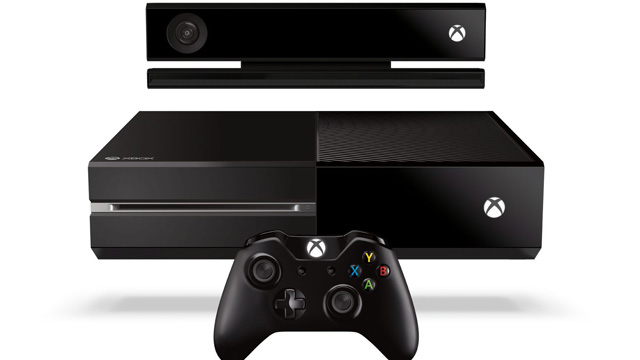
Microsoft should have come into this on a high, having announced their new console recently and with the Xbox 360 dominating the US and UK markets. However the unveiling of the Xbox One focused on the multimedia and TV aspects of the console which caused much anger in the vocal gaming community which took to Twitter to slam a console "not for them". Microsoft's claim that games would be the focus of E3 were dealt a blow when their aggressive form of DRM yet again ensured that the Xbox One made the headlines for all the wrong reasons. They had to hit a home run at their press conference and it looked good to start with. Metal Gear Solid 5 started us off and it looked nothing short of spectacular. It briefly looked like they would shut up the detractors with a string of great games. Sadly though the rest of the conference was hit and miss with highs like The Witcher 3 and Battlefield 4 being multiplatform and the exclusive titles like Ryse, Killer Instinct and Halo failing to register more than an eyebrow raise. The astonishing price tag of £430 felt like rubbing salt in the wounds. This was a chance for Microsoft to lay out their vision for gaming for the next ten years and it did nothing to inspire. Also having sound problems during big trailers is an amateurish thing to do, but kudos to the guy in the crowd who shouted "pew pew pew" during the dragon thing.
Sony
Oh boy. It's hard not to smile. Sony royally fucked up the PS3 after defining gaming for a long time with the PS1 and PS2 and allowed Microsoft to make huge gains in the western market. The unveiling of the PS4 went down very well however and seemed to indicate that Sony were learning for their mistakes with a console built for developers and gamers. After the car crash that was Microsoft's press conference all eyes were on Sony. For the most part they kept up with Microsoft's games offering by relying heavily on third party titles and peppering it with the odd first party game. So the likes of Infamous, Killzone and Driveclub were joined by Destiny, Watch Dogs and Assassins Creed 3. Where they turned onto a new road was the focus on independent games like Transistor, Octodad and Don't Starve along with the with announcement of a self publishing intiative further proving that they are courting developers in a very real way. After all, they had to. They then directly jabbed at Microsoft announcing no DRM, that trade ins are fine and that the console doesn't have any requirements for an internet connection. They followed that with a staggering price point of £350, undercutting the Xbox One in a massive way. It was a conference with more purpose, a console with all the media stuff Microsoft has but with more focus on games and a lower price point. The DRM stuff is the icing on the cake that has brought the internet masses over to Sony. Whether that translates to the real world remains to be seen.
Nintendo
Nintendo weren't there but did a video instead and largely disappointed. The WiiU is currently on fire and hurtling towards the ground, the 3DS has managed to fly but isn't soaring and I've run out of plane related metaphors. They needed something to start selling consoles and keep it going whilst Sony and Microsoft took center stage. In terms of big games they kept looking at Zelda: Wind Waker HD and whilst it's a fantastic game I think we're at the stage where HD remakes aren't really acceptable. Pikmin is still being discussed having missed the launch window of the console and the makers of Metroid Prime are being given Donkey Kong to work on. You'd maybe want the makers of such a seminal title as Metroid Prime to be given free reign on their own ip but equally you wonder how much of that talent is still there so let's see what Donkey Kong is like. Mario Kart is Mario Kart and is showing it's age, and then Smash Bros is rapidly becoming a niche title again. That's the key problem, all their games felt like niche titles. Even Bayonetta 2 had the tinge of a game a handful of people wanted. Traditionally Nintendo led the industry and even if they didn't sell well you'd see the likes of Sony and Microsoft taking the lessons Nintendo gave out and running with them. This year Nintendo is closer to Kentia Hall, the old hall where the weird and small were shown at E3's of yesteryear. I wonder how much longer they can go on like this before their investors and shareholders start to lose patience.
So there you have it. Nintendo continued a slide into irrelevance and Sony made a huge attack on the US and UK markets they lost last generation. Microsoft looked complacent and that price point serves to highlight their arrogance. I still think there are a generation of kids who are as devoted to Xbox as a brand though and they'll stick with them, so don't expect it to be a failure. It just makes the launch of these consoles fascinating for people like me.
Wednesday, 12 June 2013

Friday, 7 June 2013
Xbox One, DRM and The Future of Ownership
My little corner of the internet is royally pissed off at the moment thanks to Microsoft. They are readying to launch their new games console, the Xbox One. Along with the usual mod cons the console will have new digital rights management (DRM) which will control how you buy games, sell games and play games. The same legal controls which exist on iTunes or Amazon with music and films. DRM is a bit of a rude word in certain video game circles, it carries connotations of losing consumer power and losing a part of the freedom which gaming held for so long.
The Microsoft solution is admittedly blunt.
There are other things which allow renting or lending games, but that's so vague that it's clear Microsoft have no clue what is happening. And of course all of these can changed or discontinued at any time at Microsoft's behest. Gamers are furious. Articles stating the end of ownership, Microsoft enforcing cruel business culture on the industry and some even go as far as to say the death of the industry as we know it.
There are several issues with this. Firstly we are seeing the industry move with the tide, Microsoft specifically are not doing this with no push from wider issue of digital ownership and rights outside of gaming. Indeed there was DRM in the Xbox 360, the WiiU has it's own solutions, the 3DS has as well. Microsoft are taking a more strict stance but it's part of a general movement. In fact the darling of PC gaming is a service called Steam, which sells games. They have some of the strictest DRM around, carry many of the same provisions the Xbox One will have but gain favour by offering more value in Steam sales and a more robust package. Is this an issue of the policies themselves if gamers can be bought for 75% off a two year old game? Steam's success might suggest so, especially in comparison to Microsoft's awful value in their digital store.

You then have the selling on of games. Again which the PC market has had for years now. If you buy a PC game in a store you may well get a disc but in reality you are buying a license key, once used that game cannot be used by anyone but you. Forgive me but I cannot see the difference between the Microsoft example and this. If anything them giving publishers the option to let you unlock games and sell them on or give them away is remarkable. Will publishers do it? Probably not, I certainly wouldn't. Publishers have long loathed the practice of second hand games because they don't get a cut of any sales, this will get them back into that market or kill it stone dead. It raises valid issues around what a second hand game truly is and what you are selling and why it depreciates in value and why stores want to sell them on for an absurd profit. I sell a car on for less because it's older and more disaster prone, why do I sell a game for less than market value? The question here should be deeper than "I should sell my games" but more what am I selling and why. Also bares mentioning, you can't sell your music once downloaded on iTunes, is that a problem? If not then why?
I have no idea if I will buy an Xbox One just yet. If I do I won't be hugely affected by this. I don't sell my games, I have constant internet and I feel I'm in the vast majority. I'm also very confused by what people expected from this generation of consoles. Steam has been a triumph and of course the consoles would look implement their own system of DRM on their consoles. Pre-owned sales have been the battleground between publishers and stores for years now and of course they would take a swipe at it, if gamers cared about their rights they would have taken a swipe at the ubsurd profit made by game stores who buy for a fraction of what they sell. And like it or not but piracy is a buzzword in the industry and 24 hour internet checks will be a big step in stopping that, whether it's hugely prevalent or not. The positive of these things is it's a big step forward in a solely digital age where you download all your games, music and video. Because big companies will not move into that age until they have a degree of control over it. The negative is that it ushers in the idea of games as a service and people don't like that idea of Microsoft controlling their hobby. This is the generation who grew up swapping SNES carts and buying dodgy Gameboy games, the idea of a corporate controlled games console is abhorrent.
The final question I have to ask is this. If you sit and rage at this but have a Steam library filled with games then ask yourself really what the core difference is. Put aside the store and the bargains and the service and ask what you really own there and why that's ok whilst Microsoft is not. Digital ownership is changing and people being seduced by nice services and low prices are undermining the entire debate as it stands.
The Microsoft solution is admittedly blunt.
- For your console to play games you have to connect to the internet once every 24 hours.
- You do not own games but rather license them (wasn't this always the case strictly?)
- Publishers decide if you can "trade in" game, to a Microsoft approved retailer.
- Publishers decide if you can give games to people on your friends list for over 30 days.
- Your account lets you play games on any console (like now).
- Anyone can play any game installed on your console (like now).
- All games must be installed (the disc you buy is just to install it, like PC games)
There are other things which allow renting or lending games, but that's so vague that it's clear Microsoft have no clue what is happening. And of course all of these can changed or discontinued at any time at Microsoft's behest. Gamers are furious. Articles stating the end of ownership, Microsoft enforcing cruel business culture on the industry and some even go as far as to say the death of the industry as we know it.
There are several issues with this. Firstly we are seeing the industry move with the tide, Microsoft specifically are not doing this with no push from wider issue of digital ownership and rights outside of gaming. Indeed there was DRM in the Xbox 360, the WiiU has it's own solutions, the 3DS has as well. Microsoft are taking a more strict stance but it's part of a general movement. In fact the darling of PC gaming is a service called Steam, which sells games. They have some of the strictest DRM around, carry many of the same provisions the Xbox One will have but gain favour by offering more value in Steam sales and a more robust package. Is this an issue of the policies themselves if gamers can be bought for 75% off a two year old game? Steam's success might suggest so, especially in comparison to Microsoft's awful value in their digital store.
You then have the selling on of games. Again which the PC market has had for years now. If you buy a PC game in a store you may well get a disc but in reality you are buying a license key, once used that game cannot be used by anyone but you. Forgive me but I cannot see the difference between the Microsoft example and this. If anything them giving publishers the option to let you unlock games and sell them on or give them away is remarkable. Will publishers do it? Probably not, I certainly wouldn't. Publishers have long loathed the practice of second hand games because they don't get a cut of any sales, this will get them back into that market or kill it stone dead. It raises valid issues around what a second hand game truly is and what you are selling and why it depreciates in value and why stores want to sell them on for an absurd profit. I sell a car on for less because it's older and more disaster prone, why do I sell a game for less than market value? The question here should be deeper than "I should sell my games" but more what am I selling and why. Also bares mentioning, you can't sell your music once downloaded on iTunes, is that a problem? If not then why?
I have no idea if I will buy an Xbox One just yet. If I do I won't be hugely affected by this. I don't sell my games, I have constant internet and I feel I'm in the vast majority. I'm also very confused by what people expected from this generation of consoles. Steam has been a triumph and of course the consoles would look implement their own system of DRM on their consoles. Pre-owned sales have been the battleground between publishers and stores for years now and of course they would take a swipe at it, if gamers cared about their rights they would have taken a swipe at the ubsurd profit made by game stores who buy for a fraction of what they sell. And like it or not but piracy is a buzzword in the industry and 24 hour internet checks will be a big step in stopping that, whether it's hugely prevalent or not. The positive of these things is it's a big step forward in a solely digital age where you download all your games, music and video. Because big companies will not move into that age until they have a degree of control over it. The negative is that it ushers in the idea of games as a service and people don't like that idea of Microsoft controlling their hobby. This is the generation who grew up swapping SNES carts and buying dodgy Gameboy games, the idea of a corporate controlled games console is abhorrent.
The final question I have to ask is this. If you sit and rage at this but have a Steam library filled with games then ask yourself really what the core difference is. Put aside the store and the bargains and the service and ask what you really own there and why that's ok whilst Microsoft is not. Digital ownership is changing and people being seduced by nice services and low prices are undermining the entire debate as it stands.
Subscribe to:
Comments (Atom)